
The Lobito Corridor's risk architecture: what sits underneath Africa's most watched infrastructure project
The Lobito Corridor — the trans-African rail and logistics axis connecting the DRC's copper and cobalt mining belt to the Port of Lobito on Angola's Atlantic coast — is the most capitalised infrastruc...
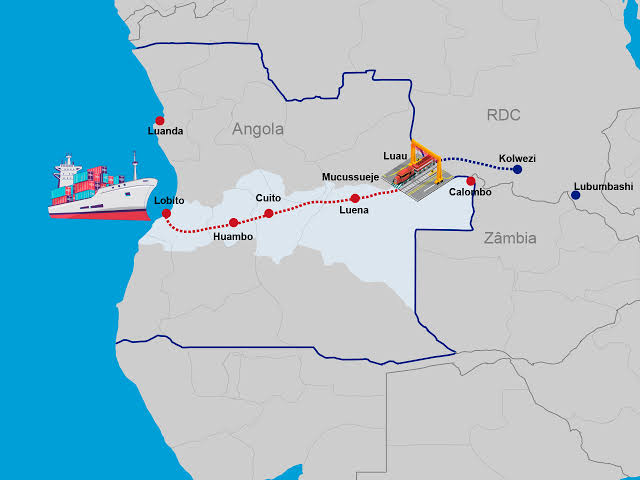
The Lobito Corridor — the trans-African rail and logistics axis connecting the DRC's copper and cobalt mining belt to the Port of Lobito on Angola's Atlantic coast — is the most capitalised infrastructure project on the African continent today.
The Angolan section, 1,289 kilometres of rehabilitated Benguela Railway from Lobito to the DRC border at Luau-Dilolo, is open and in commercial operation under a 30-year concession held by the Lobito Atlantic Railway consortium of Mota-Engil, Trafigura, and Belgian operator Vecturis.
The $753 million financing package for that section — $553 million from the US Development Finance Corporation and $200 million from the Development Bank of Southern Africa — was finalised in December 2025. The corridor's design capacity is 4.6 million metric tonnes per year on the Angolan section, with 1,555 wagons and 30 to 35 locomotives planned.
The DRC section tells a different story. The Dilolo-Kolwezi stretch, approximately 450 kilometres operated by the national railway company SNCC, runs at speeds of 10 to 15 kilometres per hour and is currently utilising below five percent of its capacity. The estimated cost of rehabilitation is $410 million, plus $180 million for ten-year maintenance.
The DFC has issued a letter of intent to Mota-Engil for up to $1 billion for the DRC section. The DRC government has also requested $500 million from the World Bank. A tender for the DRC rail concession is expected but has not been formally launched as of publication.
The Zambia extension is greenfield — approximately 800 kilometres of new track to be built from the DRC border to Chingola — still in pre-construction, with the African Development Bank estimating $1.6 billion required and the financing not yet confirmed.
The Africa Finance Corporation, which has committed to leading fundraising, was still building its commercial case in 2024 by lobbying mining operators along the proposed route to commit shipping volumes.
The corridor's proof-of-concept milestone was already cleared. Ivanhoe Mines shipped the first copper through the full Angola-to-Atlantic route in December 2023 — 1,100 tonnes of copper concentrate from the Kamoa-Kakula complex in the DRC, delivered to the Port of Lobito.
The trial demonstrated the five-to-eight-day journey from the DRC Copperbelt to the Atlantic that underpins the corridor's commercial case, against the current 45-day overland journey via Durban.