
From Brazzaville to Algiers, the DRC presses an energy-diplomacy drive to reposition its oil sector
The Democratic Republic of Congo has stepped up a series of diplomatic initiatives since late 2025 aimed at repositioning its hydrocarbons sector, in a push to attract investment, strengthen regional...
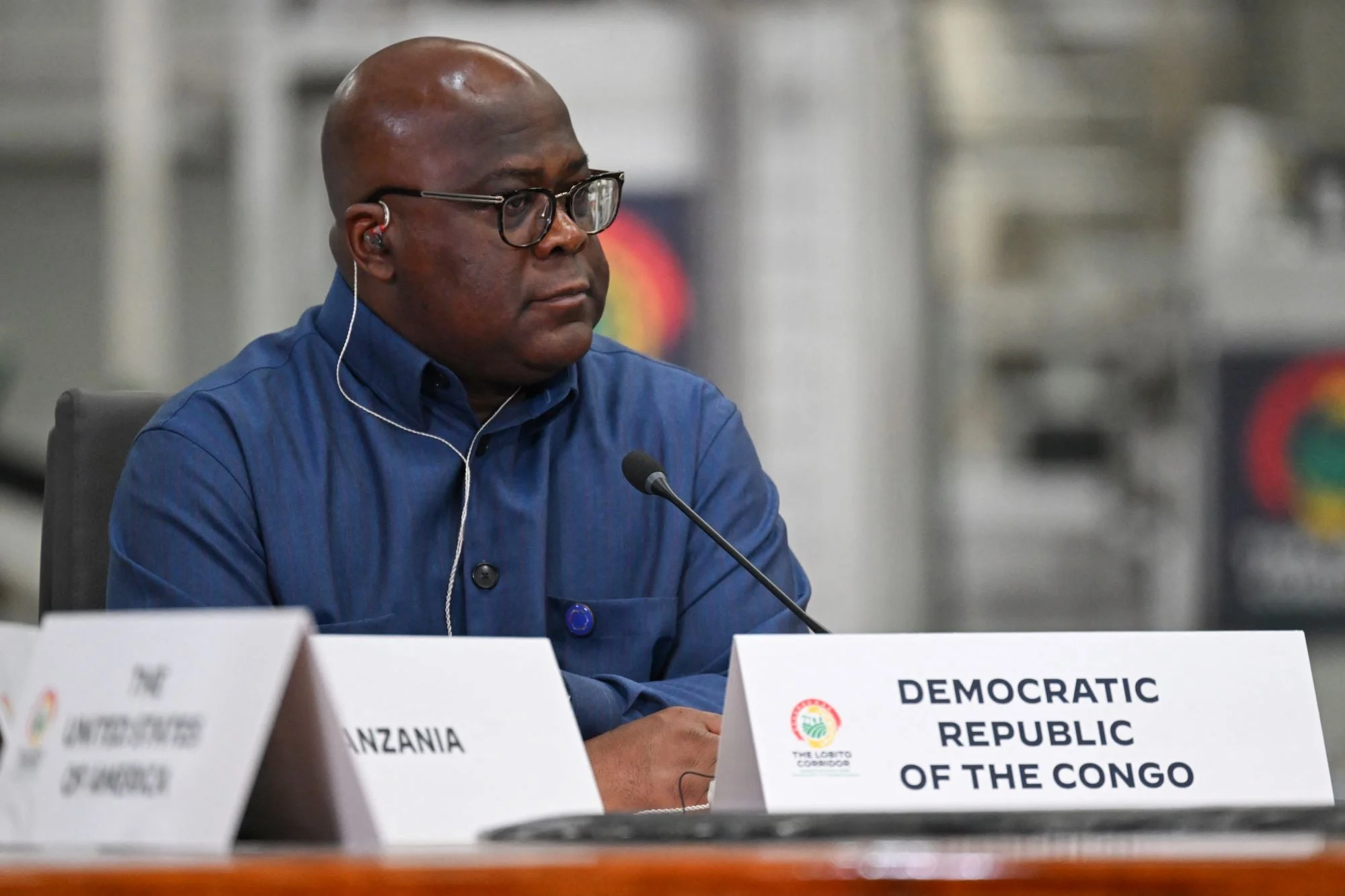
The Democratic Republic of Congo has stepped up a series of diplomatic initiatives since late 2025 aimed at repositioning its hydrocarbons sector, in a push to attract investment, strengthen regional cooperation and make energy a pillar of economic diversification alongside mining.
The Minister of State for Hydrocarbons, Acacia Bandubola Mbongo, has intensified bilateral and multilateral meetings with African and international partners. The first stage took place in Brazzaville at the 48th Ministerial Council session of the African Petroleum Producers' Organization (APPO), held on 4 November 2025, where the DRC was elected to the organisation's vice-presidency for 2026, with the presidency going to Côte d'Ivoire. Kinshasa set out several priorities there: reducing gas flaring in the coastal Muanda basin to generate electricity, developing the 66 billion cubic metres of methane in Lake Kivu, and drafting a dedicated legal framework for liquefied petroleum gas (LPG).
The strategy extends beyond petroleum forums. In Washington, the minister urged US companies to invest in the local processing of copper and cobalt, two minerals central to the global energy transition, reflecting an intent to align mining and energy policy to build local value. In Tanzania, talks covered joint management of the oil potential of Lake Tanganyika and the fight against fraud in petroleum products in transit, estimated to cost Congolese public revenue close to $800-million a year; the delegation also toured the port and petroleum facilities at Dar es Salaam to study ways to improve supply to the Congolese market. In Uganda, bilateral discussions produced six memoranda of understanding, notably in energy infrastructure and cross-border pipeline projects.
The mission to Algeria was one of the high points of the sequence. On 30 May 2026 in Algiers, the DRC and Algeria signed a memorandum of understanding spanning exploration, refining, storage, transport and human-resources training. For Kinshasa, the aim is to draw on the experience of Sonatrach, Africa's largest oil company, to modernise its value chain, including the creation of a petroleum database meeting international standards. The delegation visited Sonatrach's technical laboratories, the Algerian Petroleum Institute and the Algiers refinery, and Kinshasa wants to develop technical cooperation between its national company Sonahydroc and Sonatrach.
Taken together, this marks a shift in Congolese strategy. Long centred on the awarding of oil blocks alone, hydrocarbons policy now seeks to cover the whole value chain, from exploration to distribution, taking in processing, transport, storage and training, while addressing the energy-integration needs of Central and East Africa.
The challenge remains conversion. The DRC's energy potential is considerable, but its contribution to growth will depend on the country's ability to turn these diplomatic accords into concrete investment, infrastructure and job-creating projects. Several of the stated priorities, developing Lake Kivu methane, cutting flaring at Muanda, building an LPG sector, are long-term ambitions, none yet attached to publicly disclosed financing or a timeline. It is on that ground, rather than the number of agreements signed, that the effectiveness of this energy diplomacy will be measured.