
Chinese solar exports hit record as African imports surge, led by Nigeria and Ethiopia
China exported a record volume of solar components in March 2026, with African demand among the sharpest risers, according to analysis of Chinese customs data by the UK energy think tank Ember. China...
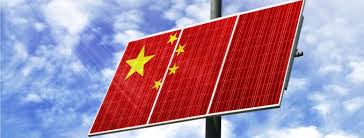
China exported a record volume of solar components in March 2026, with African demand among the sharpest risers, according to analysis of Chinese customs data by the UK energy think tank Ember.
China shipped 68 GW of solar capacity — photovoltaic panels, cells and wafers — in March, a 49% increase on the previous record set in August 2025 and double the volume of the preceding month, equivalent to Spain's entire installed solar capacity. In all, 50 countries set all-time records for Chinese solar imports that month.
African demand featured prominently. Nigeria's imports reached 1.2 GW in March, a 519% jump on February, while Ethiopia imported 1.1 GW, up 391%; across the continent, exports to Africa rose 176%, and exports to Asia doubled. Asian buyers also set records, India taking 6.6 GW.
Ember attributed the surge to two factors: rising fossil-fuel prices driven by the US-Israeli conflict with Iran, and China's ending of tax rebates for clean technology from 1 April 2026, which raised solar-panel costs from China by about 9% and prompted buyers to bring purchases forward. Euan Graham, senior analyst at Ember, said the exported volumes were very large and that the coming months would reveal how much was driven by the rebate deadline versus genuine additional demand, adding that countries were importing at record levels while building domestic assembly and manufacturing capacity.
The African surge reflects a structural shift, not merely a one-month spike. Several African countries have rapidly expanded solar capacity in recent years, the continent hosting around 60% of the world's best solar potential; the Central African Republic already generates more than a third of its electricity from solar, and at least 13 others — including Chad, Somalia and Malawi — exceed 10%.
The end of China's export rebates raises a near-term cost question for African buyers. Prices are expected to rise, but Basil Abia, co-founder of Nigerian energy research firm Truva Intelligence, told the Associated Press that this would not reverse Africa's clean-energy transition.
For African importers, the data captures both the opportunity and the dependence: record access to cheap solar hardware that is accelerating electrification, set against a near-total reliance on a single supplier country whose domestic tax decisions now move landed costs across the continent.