
Chinese refiner Hengli turns to West African crude, lifting demand for Nigerian and Angolan barrels
China's Hengli Petrochemical, sanctioned by the United States in April over alleged purchases of Iranian oil, has bought at least two million barrels of West African crude and is seeking further mains...
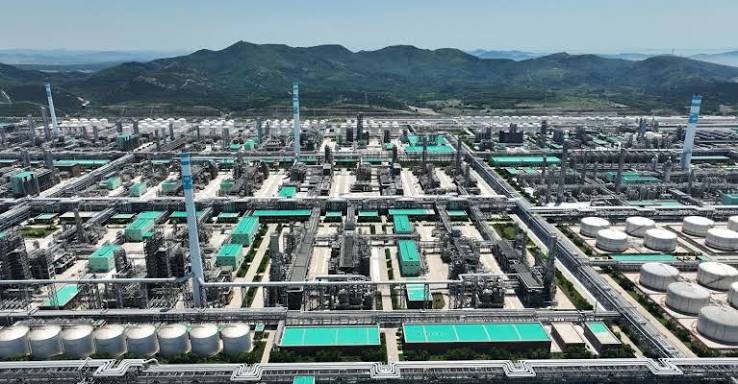
China's Hengli Petrochemical, sanctioned by the United States in April over alleged purchases of Iranian oil, has bought at least two million barrels of West African crude and is seeking further mainstream supply, according to trade sources cited by Reuters — a shift that channels fresh demand toward Nigerian and Angolan producers.
The privately owned refiner, which operates a 400,000 barrels-per-day plant at Dalian in north-eastern China, has recently sought cargoes of West African and non-Iranian Middle Eastern crude for delivery from June onward, multiple sources said, as it attempts to remove itself from the US blacklist. Six trade sources said Hengli is looking to source entirely non-sanctioned oil. The purchased volume is for June and July delivery, with talks under way for additional African and Middle Eastern shipments not subject to US sanctions.
The relevance for African producers lies in the nature of the crude being sought. West African crude, particularly from Nigeria and Angola, is regarded as mainstream supply that carries no sanctions risk for refiners seeking to demonstrate clean sourcing to US authorities. For Nigerian and Angolan grades — light, sweet barrels long favoured by Asian refiners — a sanctioned buyer's pivot toward verifiably non-Iranian oil represents incremental demand, though the durability of that demand depends on Hengli's longer-term sourcing and on whether other sanctioned buyers follow a similar path.
The US Treasury penalised Hengli in April; China's imports of Iranian crude fell to 1.19-million barrels per day in May, the lowest since September, according to Kpler data. Falling inventories have forced Hengli to cut its June processing rates to slightly below 70%, from just over 80% the previous month. Reuters reported last month that Hengli's former Singapore-based trading arm planned to cease operations following the sanctions.
Hengli has denied the allegations. Its parent company said it has always operated in full compliance with applicable laws, has never traded with Iran, and that all its suppliers certify their crude is sourced from jurisdictions not under US sanctions. The company has said it would pursue legal avenues to challenge the sanctions and seek their removal. The US Treasury has alleged that, since at least 2023, Hengli received Iranian oil cargoes from sanctioned "shadow fleet" vessels, some delivering more than five million barrels in total.
The episode illustrates a broader dynamic of consequence to African oil exporters: US secondary sanctions on Iranian and Russian flows are redirecting trade, and "clean" West African barrels with clear provenance gain a premium of confidence — if not always of price — among buyers seeking to insulate counterparties from sanctions exposure.
The pattern offers Nigerian and Angolan crude a competitive opening in the Asian market, contingent on the enforcement environment holding.