
Uganda's Oil Clock Is Ticking: EACOP and First Oil Draw Closer
The East African Crude Oil Pipeline is either Africa's most consequential infrastructure project of the decade or its most controversial — and by mid-2026, it is both simultaneously. The Tilenga and...
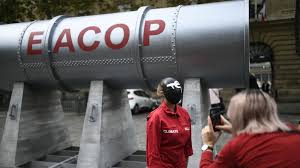
The East African Crude Oil Pipeline is either Africa's most consequential infrastructure project of the decade or its most controversial — and by mid-2026, it is both simultaneously.
The Tilenga and Kingfisher upstream projects in Uganda's Lake Albert basin are approximately 70 percent complete as of the first half of 2026, with first oil initially targeted for mid-year at a peak production rate of around 190,000 barrels per day. The pipeline — a 1,445-kilometre heated conduit engineered to keep Uganda's unusually waxy crude flowing — continues to advance alongside legal challenges that have tested its developer, TotalEnergies, and its co-financiers in ways no project timeline anticipated.
The waxy nature of Ugandan crude is not a detail — it is an engineering constraint that shapes everything.
The crude solidifies below a certain temperature, requiring the pipeline to be maintained at 50 degrees Celsius along its entire length. That means power infrastructure, not just pipe in the ground, and it means a pipeline that cannot simply be turned off and on.
For Uganda, first oil would represent a historic economic inflection point. Landlocked, largely agrarian, and with a young population whose energy and employment needs are pressing, the country has staked a significant portion of its near-term development strategy on hydrocarbon revenue.
The government has consistently defended the project against international pressure to halt it on climate grounds, arguing — with some justification — that African nations have the same right to monetise their resources as European and North American nations exercised for over a century.
For investors and project watchers, the coming months will be defining. Whether Uganda hits first oil, and what the revenue trajectory looks like thereafter, will shape perceptions of African upstream projects for years.