
South Sudan commits three crude cargoes to BB Energy to ease $142 million dispute
South Sudan has agreed to deliver three crude oil cargoes to the independent trading house BB Energy in exchange for the relaxation of a London court injunction, partially resolving a dispute over an...
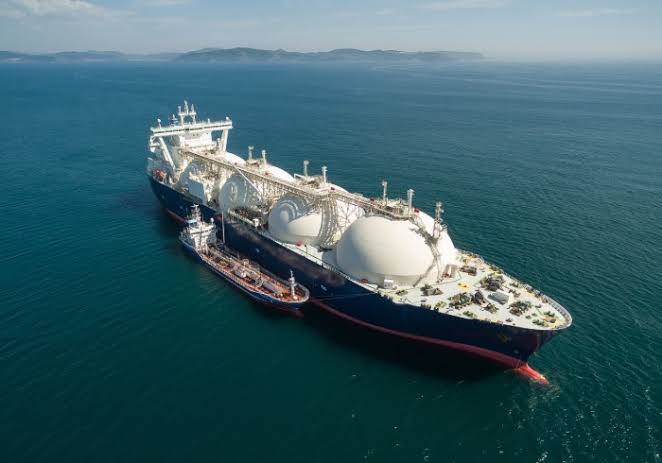
South Sudan has agreed to deliver three crude oil cargoes to the independent trading house BB Energy in exchange for the relaxation of a London court injunction, partially resolving a dispute over an undelivered oil-backed prepayment that had reached roughly $142 million and had frozen the country's ability to raise new financing against its oil.Under a consent order issued by London's High Court dated 3 July 2026,
BB Energy has been allocated three cargoes of about 600,000 barrels each of Dar and Nile blend crude, scheduled for delivery in August, September and November 2026. In exchange, the court lifted an injunction that had prevented South Sudan from accepting new prepayments for its oil, with the relaxation to remain in effect until the end of November 2026.
BB Energy confirmed the agreement on 8 July, thanking South Sudan's finance and petroleum authorities for what it described as positive commercial engagement.The dispute originated in a February 2025 prepayment arrangement under which BB Energy advanced South Sudan about $100 million against the future delivery of five crude cargoes during that year.
Only one cargo was delivered. BB Energy has attributed the shortfall in part to exceptional circumstances, notably the rupture in February 2024 of the pipeline carrying South Sudan's crude through neighbouring Sudan, which caused prolonged export disruptions and severe financial pressure on Juba.
As the undelivered obligations mounted, the trader secured a London court injunction that blocked South Sudan from entering new oil-prepayment deals, cutting off a financing channel on which the government heavily relies.
The significance lies less in the individual cargoes than in what the case exposes about South Sudan's fiscal model. The country is one of the most oil-dependent economies in the world, with crude accounting for the overwhelming majority of government revenue and export earnings, and it has come to depend on oil-backed prepayment deals, effectively selling future production at a discount to raise cash today.
That model leaves little margin for error. When the pipeline ruptured and exports collapsed, South Sudan could neither deliver the promised cargoes nor easily replace the revenue, and a single trader was able to obtain a foreign court order that paralysed its access to further oil financing.
The three-cargo settlement restores that access, but only until November, and only by committing physical barrels the country can ill afford to give up cheaply.BB Energy, founded by the Bassatne family in the 1960s and now a global trader with hubs in London, Geneva, Dubai, Houston and Singapore, reported turnover of about $23 billion in 2024, trading the equivalent of roughly 650,000 barrels a day.
The asymmetry is stark: a private trading group with revenues many times South Sudan's entire national budget holds, through a London court, decisive leverage over the oil sales that fund an entire state.
The episode also underscores the jurisdictional reality shaping African oil finance.
As with the recent case brought by Ugandan farmers against the East African Crude Oil Pipeline's UK-registered operator, the decisive forum here is a London courtroom, not one in the country whose resources are at stake. South Sudan's oil revenue, its economic lifeblood, is being adjudicated under English law at the suit of a foreign trader.
For Juba, the settlement is a necessary step to reopen the prepayment financing it cannot function without. It is also a reminder that a state which has mortgaged its future oil to survive the present has surrendered much of its control over both.