
Angola Rewrites the Rules: How One Country Is Winning the African Upstream Competition
Angola used to be a cautionary tale about resource dependence. Today it is a case study in how to structure an upstream sector that attracts capital in a competitive global environment. The country's...
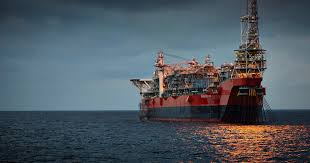
Angola used to be a cautionary tale about resource dependence. Today it is a case study in how to structure an upstream sector that attracts capital in a competitive global environment.
The country's transformation has been methodical. The National Oil, Gas & Biofuels Agency replaced a fragmented regulatory structure with a single, investor-focused body. An incremental production decree created financial incentives specifically designed to sweat existing assets and reduce the decline rate in mature fields. Multi-year licensing rounds provided visibility and predictability that developers could actually model.
The results are measurable. ExxonMobil's Likember-01 well and Azule Energy's Block 1/14 gas find are two of the headline outcomes from a reform programme that has kept national output above 1 million barrels per day while generating new discoveries. Angola's planned investment pipeline now totals approximately $70 billion — a figure that reflects genuine investor conviction, not aspirational government targets.
The country is also advancing gas monetisation with ambition. As European buyers seek supply-chain diversification away from Russian gas, Angola's LNG positioning has taken on new strategic significance. The Kaminho and Agogo deepwater projects are in execution, adding material new volumes to an already active offshore portfolio.
For any energy professional trying to understand what African upstream reform looks like when it works, Angola is currently the clearest example on the continent. The policy framework is not perfect — no framework is — but it is consistent, transparent, and directionally correct. In upstream oil and gas, that combination is rarer than it should be.