
Tiger Brands' Dual-Track Energy Transition Advances as Seven Solar Sites Go Live
Tiger Brands' confirmation that solar power is now operational at seven manufacturing sites across South Africa — the Free State, Gauteng, North West, and KwaZulu-Natal — is the latest incremental mil...
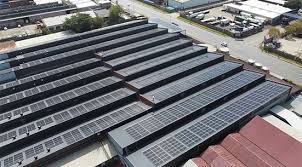
Tiger Brands' confirmation that solar power is now operational at seven manufacturing sites across South Africa — the Free State, Gauteng, North West, and KwaZulu-Natal — is the latest incremental milestone in an energy transition programme that the JSE-listed food group has been executing since 2022, when it announced a multi-million-rand investment targeting 65% renewable manufacturing electricity by 2030 across 35 sites. Global Mining Review
Chief Manufacturing Officer Praveen Balgobind's emphasis on site-specific assessment rather than blanket deployment reflects a practical reality of South African industrial energy management: grid connection quality, roof load capacity, production cycle patterns, and wheeling availability vary materially between provinces and even between adjacent facilities.
The approach produces slower aggregate progress than a standardised rollout but is more likely to deliver the 11% municipal electricity savings already documented at the HPC plant in Isando than a deployment model that prioritises speed over suitability.
The May 2026 wheeling agreement with Apollo Africa — covering Gauteng sites from 2028 — adds a second procurement instrument to the programme, addressing the gap between what onsite solar can generate and what a major FMCG manufacturer requires for continuous industrial production.
For South African listed companies managing their energy transition disclosure against TCFD and JSE sustainability reporting requirements,
Tiger Brands' programme provides a reference model: phased deployment, dual-track procurement, and site-specific engineering combined with measurable scope 1 and 2 reduction commitments.