
The Mini-Grid Infrastructure Play: Building Power Systems That Work Where the National Grid Cannot Reach
There are parts of Africa where the national grid will not arrive for decades — not because the technology doesn't exist, but because the economics of extending high-voltage transmission to dispersed,...
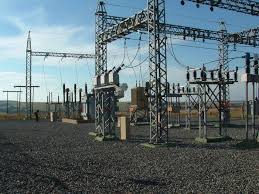
There are parts of Africa where the national grid will not arrive for decades — not because the technology doesn't exist, but because the economics of extending high-voltage transmission to dispersed, low-income communities have never pencilled out for a utility operating under commercial or quasi-commercial constraints.
Mini-grid infrastructure fills this gap, and the sector is maturing faster than most observers expected.
The hardware has standardised. Containerised solar-plus-storage systems from manufacturers including RelyEZ, BBOXX, and several Chinese suppliers can now be deployed at village scale within weeks. The engineering is solved; what remains is project development, financing, and operations.
Software platforms have transformed the economics of operation. A mini-grid operator in Nairobi can now monitor performance, manage revenue collection, and detect technical faults at sites across three countries from a laptop. IoT sensors, edge computing, and AI-driven diagnostics are making mini-grids as manageable, at scale, as conventional utility infrastructure — at a fraction of the capital cost.
The financing gap is narrowing.
The African Development Bank, USAID, the European Investment Bank, and a growing cohort of impact investors are providing the concessional capital that de-risks early-stage mini-grid projects and attracts commercial co-investment. Blended finance structures — combining grant, concessional debt, and commercial equity — are the dominant deal architecture in the sector.
The infrastructure challenge that remains is not technical: it is regulatory. Licensing frameworks, connection standards, and rules governing what happens when the national grid eventually arrives and overlaps with a private mini-grid investment are still inconsistent across African markets. Countries that have resolved this uncertainty — Kenya, Nigeria, Tanzania — are seeing faster deployment. Those that have not are leaving capital and electrification on the table.