
Namibia's Solar Moment: How a Sparsely Populated Desert Nation Became Africa's Renewables Benchmark
Namibia is not the obvious candidate to top Africa's solar performance table. Its population is small, its economy modest by continental standards, and its energy sector was, until recently, heavily d...
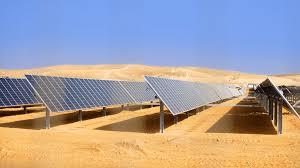
Namibia is not the obvious candidate to top Africa's solar performance table. Its population is small, its economy modest by continental standards, and its energy sector was, until recently, heavily dependent on imports from South Africa. Yet the 2026 Africa Solar Outlook places Namibia first in the continent for installed solar capacity per capita — ahead of the Seychelles, ahead of South Africa, ahead of Morocco.
How it happened is instructive.
Namibia's government made an early and unusually consistent policy commitment to solar. Feed-in tariffs, simplified licensing, and aggressive REFIT programmes created a predictable environment for developers at a time when neighbouring markets were still debating frameworks. International developers took note, and projects moved.
The country's geography also helps. The Namib Desert offers some of the highest solar irradiance figures in the world — and minimal cloud cover. The economics of solar in Namibia are simply better, on a per-kilowatt-hour basis, than almost anywhere else on the continent.
The green hydrogen ambition adds another dimension. The Hyphen Hydrogen Energy project, targeting 300,000 tonnes of green hydrogen annually powered by 5 GW of renewables, would position Namibia as a major exporter of clean energy to European markets. It is an audacious bet — and one that requires the solar and wind infrastructure to be built out first.
For energy professionals watching where the next wave of African renewable investment lands, Namibia's trajectory offers a clear lesson: policy consistency, favourable physics, and a willingness to attract foreign capital beats size every time. The continent's smallest markets are often its most agile.