
Green Hydrogen Equipment: Where Africa Stands in the Global Manufacturing Race
Green hydrogen has generated more policy papers, conference panels, and investment pledges in Africa than almost any other energy technology of the past five years. The equipment reality — electrolyse...
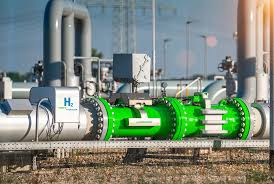
Green hydrogen has generated more policy papers, conference panels, and investment pledges in Africa than almost any other energy technology of the past five years. The equipment reality — electrolysers, compression systems, storage infrastructure, and transport technology — has lagged the ambition. That gap is beginning to narrow.
Namibia's Hyphen Hydrogen Energy project remains the continent's most advanced large-scale green hydrogen development. Targeting 300,000 tonnes of green hydrogen annually, powered by 5 GW of wind and solar, it would require electrolyser capacity at a scale that currently does not exist in commercial production outside of a handful of European and Asian facilities. The project's development timeline has served as a real-world test of whether the global electrolyser manufacturing industry can deliver the equipment volumes that African hydrogen ambitions require.
The answer, based on 2025 to 2026 progress, is: not yet at the scale needed, but the trajectory is improving. Alkaline electrolysers — the more mature, lower-cost technology — are available in larger modules than they were two years ago. PEM (Proton Exchange Membrane) electrolysers are being deployed at increasing scale in European projects, with manufacturing learning curves that are reducing costs faster than most forecasts anticipated.
Egypt's Suez Canal Zone hydrogen export terminal and South Africa's Hydrogen Valley are at earlier development stages but represent the continent's two other major centres of hydrogen activity. In South Africa, the focus on integrating hydrogen into industrial applications — platinum refining, steel, shipping — aligns well with the country's existing industrial base and platinum group metals production, which are key catalyst materials for fuel cells.
The equipment supply chain question will define whether African green hydrogen moves from pilot to export-scale. Developers need to engage with electrolyser manufacturers now, before demand from European and Asian projects fully absorbs available capacity. The window for securing early-mover equipment supply positions is open — for now.