
Gambia Opens Its Deepwater Frontier to Eni as Atlantic Margin Exploration Reaches West Africa's Smallest Coastal State
Eni has signed a petroleum exploration, development and production licence with the Government of The Gambia for offshore Block A1, entering the country's upstream sector for the first time. The agree...
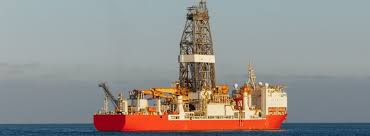
Eni has signed a petroleum exploration, development and production licence with the Government of The Gambia for offshore Block A1, entering the country's upstream sector for the first time. The agreement was signed by Energy and Petroleum Minister Nani Juwara and grants exploration rights over 1,300 square kilometres of deepwater acreage in water depths of 1,250 to 3,300 metres on the Atlantic Margin.
The block lies in an underexplored portion of the Atlantic Margin that has demonstrated hydrocarbon potential, in a region that has seen growing industry interest following hydrocarbon discoveries in recent years.
The award brings one of Europe's largest integrated energy companies into a country that has watched its larger neighbours — Senegal and Mauritania — move from frontier exploration to active development of commercially significant gas discoveries over the past decade, and which has sought to attract comparable investment to its own offshore acreage.
For Gambia, the strategic importance of the Eni licence extends beyond the exploration phase. A commercial discovery in Block A1 would provide a transformational fiscal resource for one of Sub-Saharan Africa's smallest economies, with implications for energy sovereignty, public revenue, and the country's capacity to finance its own development priorities independently of aid flows. Eni's entry also expands its West Africa exploration footprint in a region it has identified as strategically important within its broader diversified exploration portfolio.